
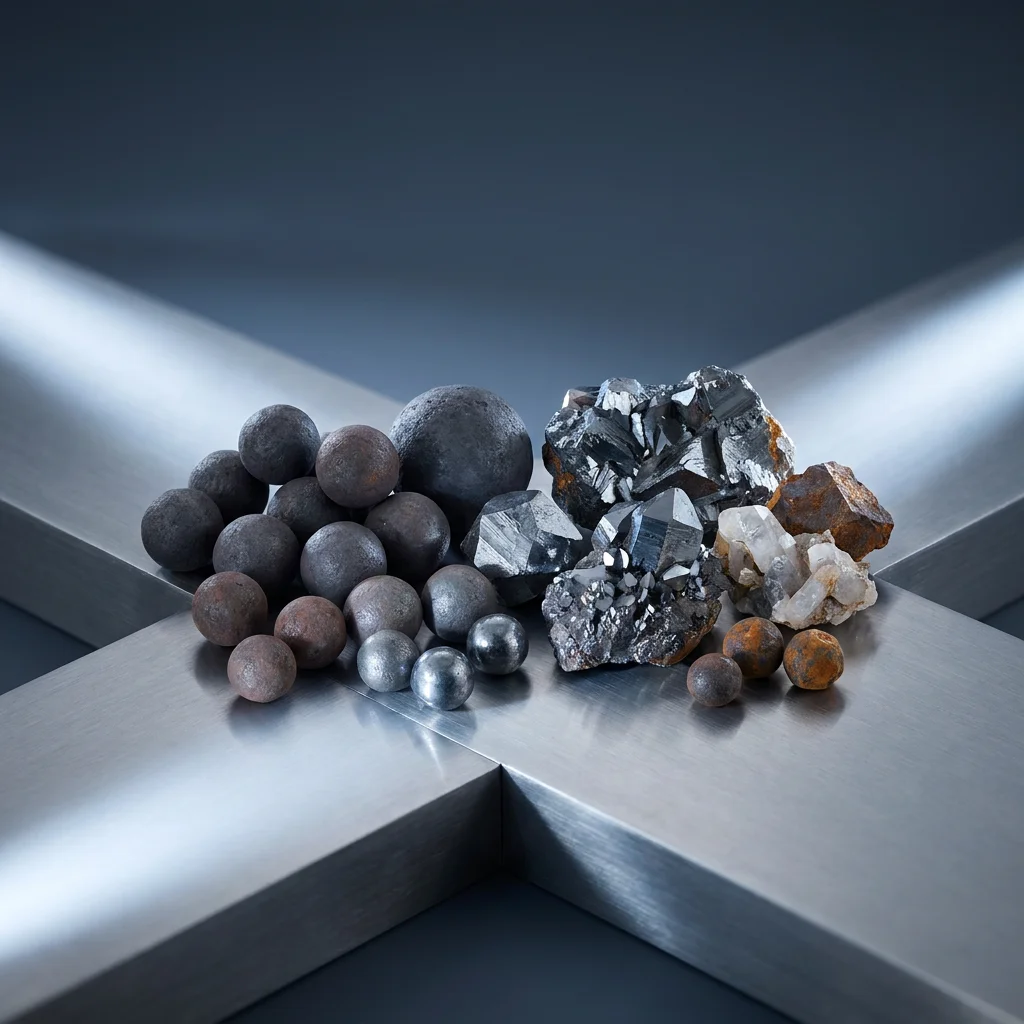

The Iron Ore Pellet Premium for 65% Fe remains a cornerstone of China’s strategic shift toward industrial efficiency. Despite a committed 1.1% reduction in total crude steel output for 2026, the price premium for high-grade iron ore pellets has remained structurally resilient. This market stability is a direct response to the Green Steel Pivot mandate.
The Resilience of the Iron Ore Pellet Premium
This is not a temporary supply shock; it is visual evidence of China’s “Green Steel” pivot. The new capacity caps are forcing mills to maximize yield per furnace-hour while minimizing carbon emissions. The Iron Ore Pellet Premium reflects the necessity of high-grade feedstock for this efficiency goal. According to recent CISA reports, enterprise inventories of high-grade minerals are being prioritized over traditional sinter feed.
The Economic Logic of the High-Grade Feedstock
The economic rationale behind the Iron Ore Pellet Premium lies in the reduced coke ratio required for blast furnaces when using higher-grade pellets. As coke prices remain volatile, the operational cost-saving from using 65% Fe pellets often offsets the upfront cost. This creates a “premium floor” that protects high-grade mineral prices even during periods of broader market contraction. Mills are calculating that efficiency gains in the “Green Steel” era are worth higher input costs, further solidifying the pellet premium as a key market metric.
Supply Side Constraints in 2026
On the supply side, availability of high-grade 65% Fe pellets has been constrained by logistical bottlenecks in major exporting regions. This scarcity has further supported the Iron Ore Pellet Premium. Domestic Chinese production of high-grade concentrates is also facing environmental regulatory hurdles, making imported pellets even more critical for maintaining furnace efficiency. The convergence of these factors suggests that prices will remain elevated throughout the fiscal year.
Market Dynamics and Decoupling
We are witnessing a permanent decoupling between high-grade feedstocks and low-grade benchmarks. The Iron Ore Pellet Premium allows mills to meet strict emission targets without sacrificing output quality. Local supply statistics show a +1.76% WoW price increase in high-grade concentrate despite a marginal supply contraction. This makes the pellet premium a critical indicator for global mineral exporters looking to capitalize on China’s green transition.
Strategic Implications for Exporters
Exporters of high-grade 65%+ minerals currently hold a dominant pricing position. Traditional “discounting” of non-mainstream pellets is narrowing as Chinese SOEs aggressively secure long-term contracts. This structural change in the market provides a 3-week negotiation window of high leverage for premium producers. Companies that guarantee consistent quality and delivery schedules will likely see sustained demand regardless of overall steel production volume.
Conclusion and Future Outlook
Monitor the MIIT standards in H2 2026. The resilience of high-grade inputs will continue to drive procurement strategies in the Asian market. As China integrates more electric arc furnaces (EAF) and hydrogen-based reduction technologies, demand for high-grade pellets will only intensify. The pellet premium is no longer just a price tag; it is a strategic asset in the race for industrial decarbonization.
The Role of NBS and MIIT in 2026 Guidelines
The National Bureau of Statistics (NBS) recently released updated industrial data showing a clear trend toward high-efficiency smelting. This transition is being closely monitored by the Ministry of Industry and Information Technology (MIIT), which is set to enforce stricter environmental compliance standards by the second half of 2026. The Iron Ore Pellet Premium is a key metric in these new regulatory frameworks, as it directly correlates with lower carbon emissions in blast furnace operations.
By prioritizing high-grade inputs, Chinese mills are not only meeting domestic mandates but also aligning with global decarbonization trends. This institutional support for high-quality minerals ensures that the Iron Ore Pellet Premium will remain a central component of China’s long-term industrial strategy. Strategic planners should watch for further MIIT announcements regarding the integration of green technologies in the steel supply chain.